Good Dental Hygiene Impacts Overall General Health

September 11th, 2013
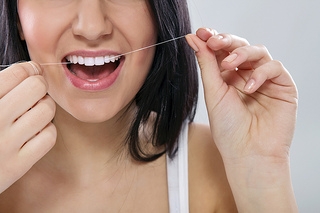
There are many ways in which your oral health has an impact on your overall general health. There are naturally occurring bacteria in the mouth. Some of those bacteria, including strep and staph, are harmful, while other bacteria are essential for the balance of intestinal flora. The healthier your mouth is, the less likely it is the harmful bacteria will travel to other parts of your body to infect it and make you sick. There is much more to good dental hygiene than brushing and flossing.

Historical Methods of Maintaining Oral Health

Ancient civilizations relied on natural remedies for maintaining oral health. Around 250 AD, the Kemetic Egyptians used myrrh and other herbs as antiseptics for treating infected gums. Two centuries later, the Nubians, who lived in the Nile River valley, drank beer to ease the pain of infected teeth. That probably sounds crazy, but their beer was effective because they used grains that were contaminated with the same bacteria that produce the antibiotic tetracycline.

Today's Biggest Dental Hygiene Challenge

In the past, tooth decay was more of an issue because there was no routine dental care, and problems that are routinely treated today went untreated. Thanks to fluoridated water, and toothpastes containing fluoride, tooth decay is far less problematic than it was a century or more ago. Gum disease has replaced tooth decay as the most serious dental problem facing people today. According to the American Dental Association, a staggering 80 percent of Americans over age 65 suffer from some form of periodontal disease.

Ironically, if that infection attacked any other part of your body, especially in a place where it was clearly visible, you would head to your doctor for treatment immediately. People tend to ignore gum tenderness and bleeding. When the tenderness and bleeding aren't treated, the inflammation can turn into periodontitis. The longer you allow the inflammation to go untreated, the greater the likelihood that it will affect other body parts. Make sure to visit Dr. Kirk Fishbaugh at Kirk Fishbaugh Dentistry regularly to be proactive about dental health!

Researchers are now discovering that untreated inflammation in the mouth acts as a driving force for multiple chronic illnesses, including clogged arteries, heart attacks, arthritis, and even cancer. That inflammation is one of many hypotheses that may explain how chronic infections can trigger systemic diseases — and even intensify existing ones. Bacterial overgrowth in the inflamed gum tissue can enter the bloodstream through the food you eat, and from daily brushing.

Caring for your mouth at home influences your health as much as your twice-a-year dental exams and professional teeth cleanings do!


September is National Gum Care Month!

September 4th, 2013

Can you believe it's already September? At Kirk Fishbaugh Dentistry, we know that gingivitis, the early stage of periodontal disease, can be difficult to recognize. Many people don’t recognize the warning signs—bleeding and swollen gums, as a precursor to gum disease. This month, a national campaign is under way to raise awareness about gum health and periodontal disease, and we wanted to help do our part to spread the word!

Dr. Kirk Fishbaugh will tell you early recognition and action are the most important steps to health gums, and ultimately a health body, too! Studies are published every year linking oral health, including the gums, to the health of other areas of the body, such as your heart. One of the most important steps to improving the care of your gums is recognizing the warning signs for gum disease. These can include:

  • Gums that appear red or swollen
  • Gums that feel tender
  • Gums that bleed easily (during brushing or flossing)
  • Gums that recede or pull away from the teeth
  • Persistent halitosis, or bad breath
  • Loose teeth
  • Any change in the way teeth come together in the biting position

If you happen to notice any of these signs with you or your child, please schedule an appointment at our convenient Green Bay, WI office as soon as possible. Dr. Kirk Fishbaugh and our team can take proactive steps to prevent gingivitis and gum disease, while showing you how to improve gum care in your or your child’s daily oral hygiene habits.

Happy Labor Day!

August 28th, 2013

Labor Day is upon us, and that means the non-official end to summer. Before the kids head back to school and temperatures start to cool down, this is your last chance to barbeque in the beautiful Green Bay, WI community, head to the lake, and wear your favorite pair of white pants.

About Labor Day

Each year, Labor Day is celebrated on the first Monday of September. It is the one day of year Americans celebrate their achievements in work, which the US Department of Labor says has contributed to prosperity and well-being of America as a whole. Americans have been celebrating Labor Day since the 1880s, and today it is an official federal holiday.

Interesting Facts About Labor Day

  • Every year, more than 30 million Americans travel over Labor Day weekend.
  • Canada was the first to celebrate Labor Day, and the US soon followed.
  • President Cleveland made Labor Day and official US holiday in 1894.
  • Labor Day marks the beginning of the NFL and NCAA sports seasons for fans.
  • Labor Day marks the end of hot dog season, when Americans consume seven billion hot dogs.

Thanks for being a valued patient of our dental office. Our staff would like to wish you a safe and happy Labor Day weekend. Enjoy your time off!

Toothache: A Dentist or the Emergency Room

August 21st, 2013

Emergency care dentists are equipped to handle any tooth emergency. Seeing us out first takes less time than having to sit in a hospital emergency room, only to be told to see a dentist. When dental emergencies occur, seek emergency care with Kirk Fishbaugh Dentistry as soon as possible. We are prepared and equipped for any type of dental emergency: day or night, seven days a week, we stand ready to advise and treat you with great dental care.

There are several types of dental emergencies, but only one or two should require a hospital emergency room visit. If you suspect you have a broken jaw or nose, emergency medical attention is required. For pain associated with teeth and gums or injury to a tooth, Kirk Fishbaugh Dentistry is the better choice. Dental pain almost always becomes worse without treatment, and can create other serious health issues.

If a tooth has been traumatized or knocked out of your mouth, our team can treat the sensitive nerves and tissues that could be damaged. If you can replace the tooth quickly enough, chances are it can be saved. According to the American Dental Association, there are certain precautions to take during a dental emergency that could help preserve a tooth until you can see our professional dentists for emergency dental care.

Call our Green Bay, WI office at the first onset of pain. If you have lost a tooth, crown, or filling, try to keep the tooth or restoration moist. Teeth are strong, but they will crack and shift after an injury or the loss of a bridge or crown. If the crack extends to the root, or the loss of a tooth or crown leaves sensitive tissue or nerves exposed, the pain can be excruciating. Our emergency care dentists will always treat your pain immediately upon examination, and fix the problem or advise you of a plan to address the cause of the pain.

Make your appointment immediately if you have suffered an accident-causing tooth injury. If the pain is the result of decay or cavities, medication for infection may be necessary. Depending on the extent of the decay, a filling, extraction, or root canal may be recommended. These treatments are not available in a hospital emergency room, but can be completed quickly and comfortably at Kirk Fishbaugh Dentistry .

Back to Top